
Geely’s Galaxy TT Ultra Performance Sedan Sold Out Twice in 48 Hours at RMB 209,800 — Here Is What Makes It Different
When Geely opened presale for the Galaxy TT Ultra on July 21, 2026, all 999 units in the first batch were claimed within 27 minutes. Within 48 hours, a second batch of 699 units was released — and sold out just as fast. The rush is not surprising when you look at the numbers: at RMB 209,800, the Galaxy TT Ultra delivers 425 kW dual-motor AWD, a 3.8-second 0-100 km/h sprint, 800V architecture with 6C super-charging, and a Lotus-tuned chassis. These are specifications that, until recently, required spending RMB 300,000 or more in the Chinese market.
800V Architecture and 6C Charging Redefine the Price-Performance Line
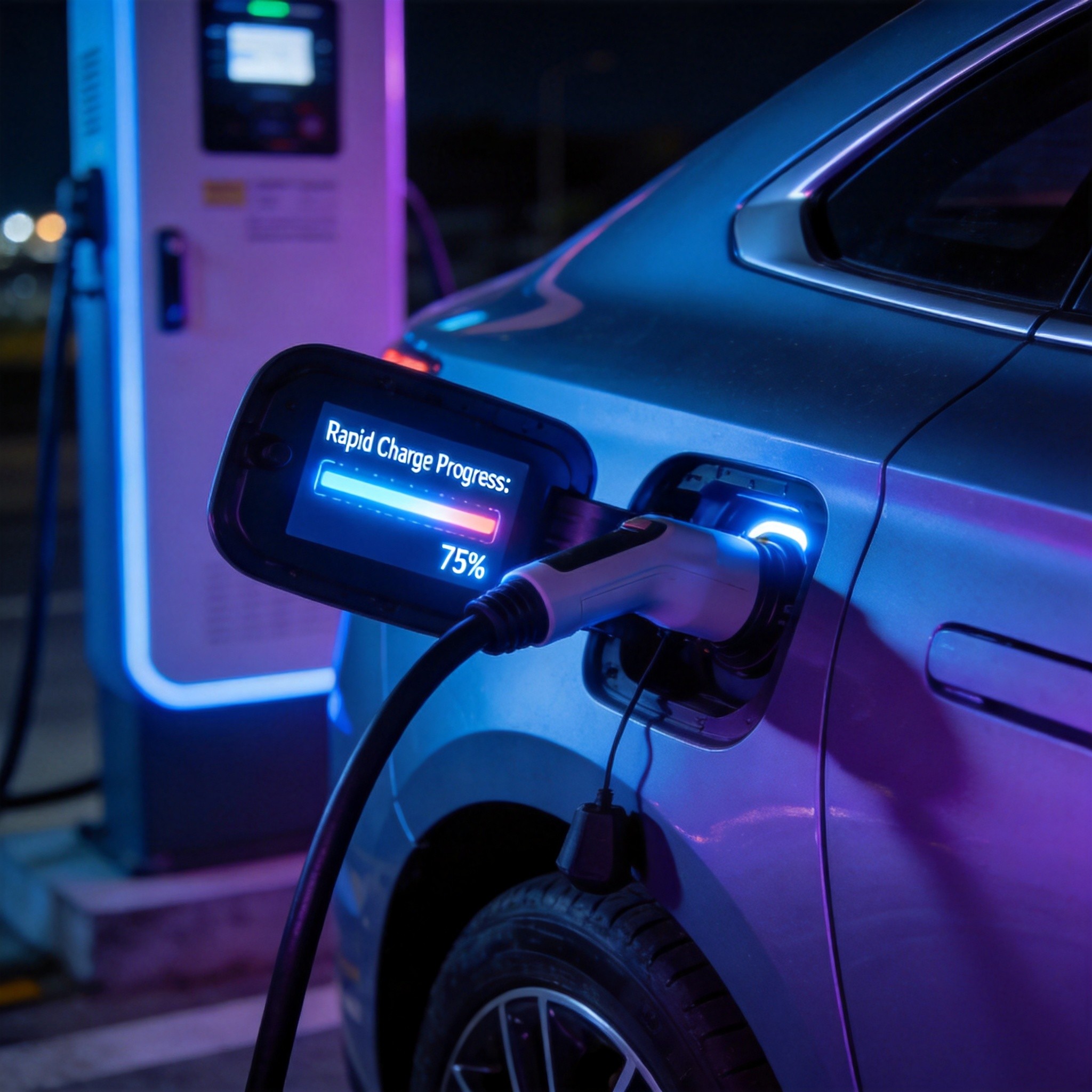
The TT Ultra’s powertrain centers on Geely’s Thunder 16-in-1 intelligent electric drive, which integrates motor, reducer, inverter, DC-DC converter, and other components into a single unit just 325 mm tall. The 800V silicon-carbide platform enables 6C charging on a 75.2 kWh CATL Shenxing TT battery, replenishing from 10% to 80% in approximately 11.6 minutes — roughly 400 km of range in that window. A steering-wheel-mounted Boost button delivers a 20-second over-power burst of an additional 40 kW for overtaking or track use. The chassis, co-developed with expertise from Volvo, Polestar, and Lotus engineering teams, achieved a 50:50 weight distribution and passed a 180 km/h fish-hook test without tire lift-off. For the complete specification breakdown and market analysis, iEVChina’s full review of the Galaxy TT Ultra covers every detail.
Market Implications: A Wake-Up Call for Xiaomi SU7 and Zeekr
The TT Ultra’s pricing undercuts key competitors significantly. The Xiaomi SU7 Max costs RMB 299,900 with 488 kW and 5C charging. The Zeekr 007 AWD runs approximately RMB 250,000. The Tesla Model 3 Performance sits at RMB 335,900. Geely’s strategy is transparent: use the Ultra variant to establish the Galaxy TT as a performance brand, then drive volume through upcoming rear-wheel-drive variants expected at RMB 160,000 to 180,000. The autonomous driving system pairs NVIDIA’s Thor-U chip (700 TOPS) with a 192-line LiDAR, supporting city NOA, highway NOA, and full-scenario autonomous parking. Geely’s “halo and volume” approach mirrors what Tesla did with the Roadster and Model 3, but compressed into a single model generation.
Source: Geely official announcements, MIIT filings
Comments are closed.