
Chinese EV Makers Now Control Over 60 Percent of ASEAN’s Electric Vehicle Market
The Southeast Asian electric vehicle transition is no longer a story about early adopters and government incentives — it is a structural realignment of the automotive order. In the first half of 2026, Chinese brands captured more than 60 percent of all NEV registrations across ASEAN’s six largest markets, according to data from Gaikindo, FTI Thailand and national registration databases. In some countries, that share climbs above 90 percent.
Thailand and Indonesia: The Two Anchor Markets
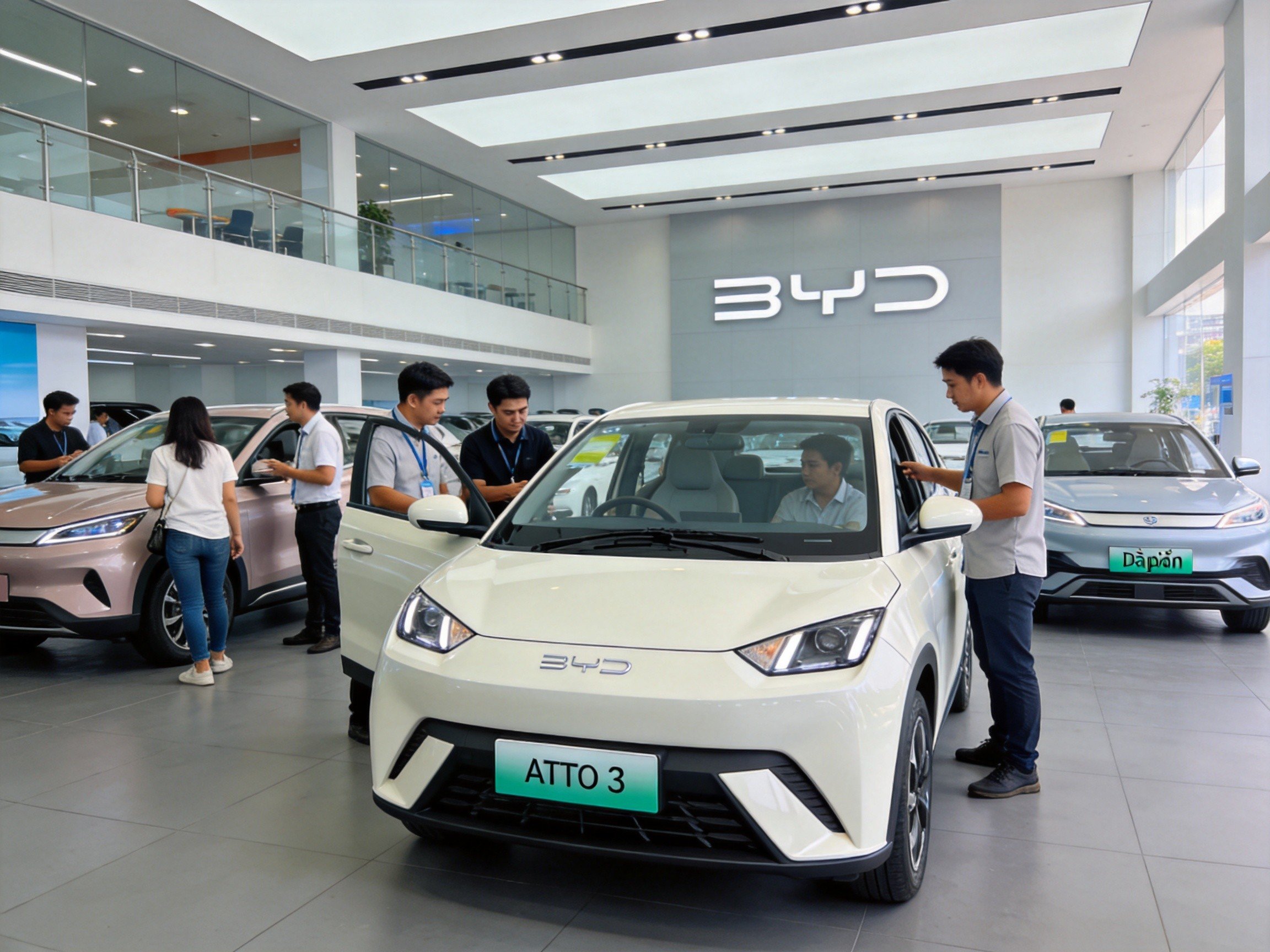
Thailand remains ASEAN’s largest BEV market by volume. BYD sold 25,890 units there in H1 2026, ranking third among all brands behind only Toyota and Honda, and commanding roughly one-third of the Thai EV market. Eleven Chinese brands now appear in Thailand’s top-20 brand ranking, with combined Chinese market share rising from under 10 percent in 2023 to over 17 percent of total vehicle sales in H1 2026.
In Indonesia, the story is even more concentrated. Chinese brands account for approximately 91 percent of all NEV sales. BYD leads on cumulative H1 brand volume with 17,993 units, but the standout performer was Chery’s Jaecoo J5, which topped June sales with 3,041 units — proving that aggressive pricing (under USD 24,500) and product-market fit can overcome brand recognition gaps in price-sensitive markets.
Local Assembly: The New Competitive Moat
The data reveals a clear pattern: brands with local factories are winning, while importers are losing ground. BYD’s Rayong plant in Thailand now produces knock-down kits for regional export, and its Subang facility in Indonesia began Dolphin production in March 2026. Meanwhile, Tesla’s Thai registrations fell 12 percent and Hyundai’s Indonesian volume dropped 31 percent — both brands still rely heavily on imports.
For a deeper dive including country-by-country NEV penetration rates and the full competitive table across BYD, Chery, Wuling, Geely and GWM, see iEVChina’s full ASEAN H1 2026 data report.
With ASEAN’s total H1 vehicle market reaching 1.92 million units (up 7.2 percent YoY) and Chinese local assembly capacity still expanding, the region’s electrification trajectory is now firmly shaped by Chinese industrial strategy rather than Japanese legacy dominance.
Edited for madeinchinanews.com
Source: Gaikindo / FTI Thailand / CNMO / yiche.com / indoneo.com
Comments are closed.