
Chinese EVs Capture 35% of South Korea’s Market in H1 2026, But BYD Loses Subsidies in July Policy Shift
South Korea registered 69,513 China-made electric vehicles in the first half of 2026, a 178.7% year-on-year jump that lifted their share of new EV registrations to 35% from 26.8% a year earlier, according to data released on August 5 by the Korea Automobile & Mobility Association (KAMA). For the first time, China-built vehicles of all powertrains overtook German-made vehicles in import-market share, reaching 41.2% of all imported registrations by manufacturing origin.
But the headline growth masks a critical policy reversal that took effect on July 1. South Korea introduced a stricter EV subsidy assessment covering technology development, supply-chain contribution, environmental compliance, after-sales service and safety management. BYD participated but failed to meet the required threshold; Zeekr missed the application window after certifying its 7X in late May. Since July, new pure-electric models from both brands have been ineligible for central and local subsidies of roughly 2 million to 3 million won ($1,400–$2,100) per vehicle.
BYD’s explosive growth — then a setback
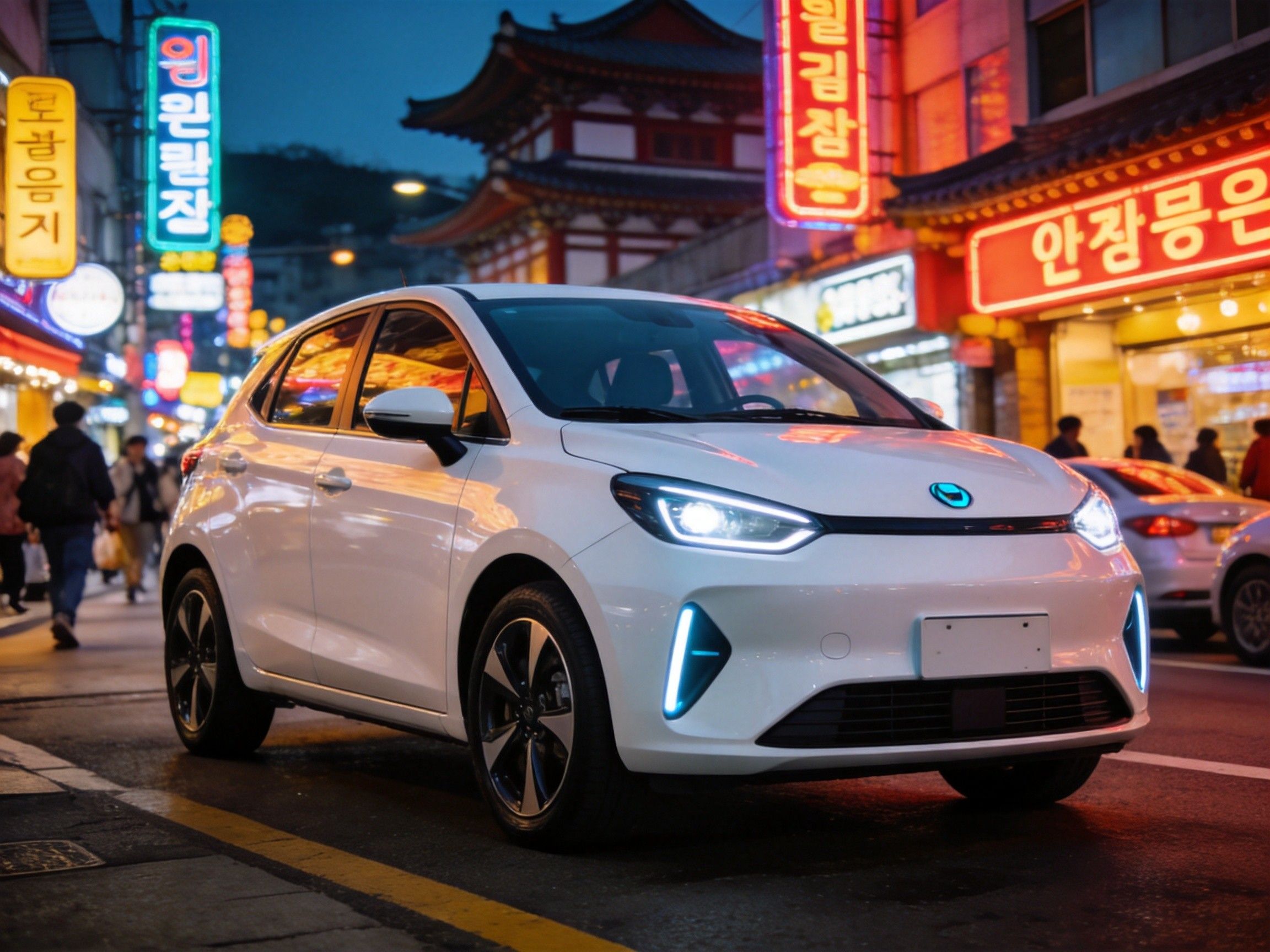
BYD began delivering passenger EVs to South Korea in April 2025 and registered 11,675 vehicles in H1 2026 alone — an 807.9% increase — ranking fourth among imported brands behind only Tesla, BMW and Mercedes-Benz. The Dolphin compact hatchback and Atto 3 SUV were the volume drivers, priced well below comparable Korean and European EVs.
The subsidy loss erases much of that price advantage. A 2–3 million won subsidy on a 30 million won vehicle is a 7–10% price swing. BYD Korea has responded by self-funding a subsidy-equivalent discount program through the end of August, while Tesla Korea launched its own company-funded discounts of 1.68 million to 2.15 million won per vehicle through September 30.
What the numbers reveal
The KAMA data challenges the narrative that Chinese EVs win only on price. Korean consumers — particularly younger buyers — were drawn by intelligent cockpits, advanced driver-assistance systems and overall electrification leadership, according to Zhang Hong of the China Automobile Dealers Association. The 807.9% BYD surge in a market where Hyundai and Kia have deep brand loyalty suggests that product and technology gaps are real.
A bellwether for Chinese EV exports
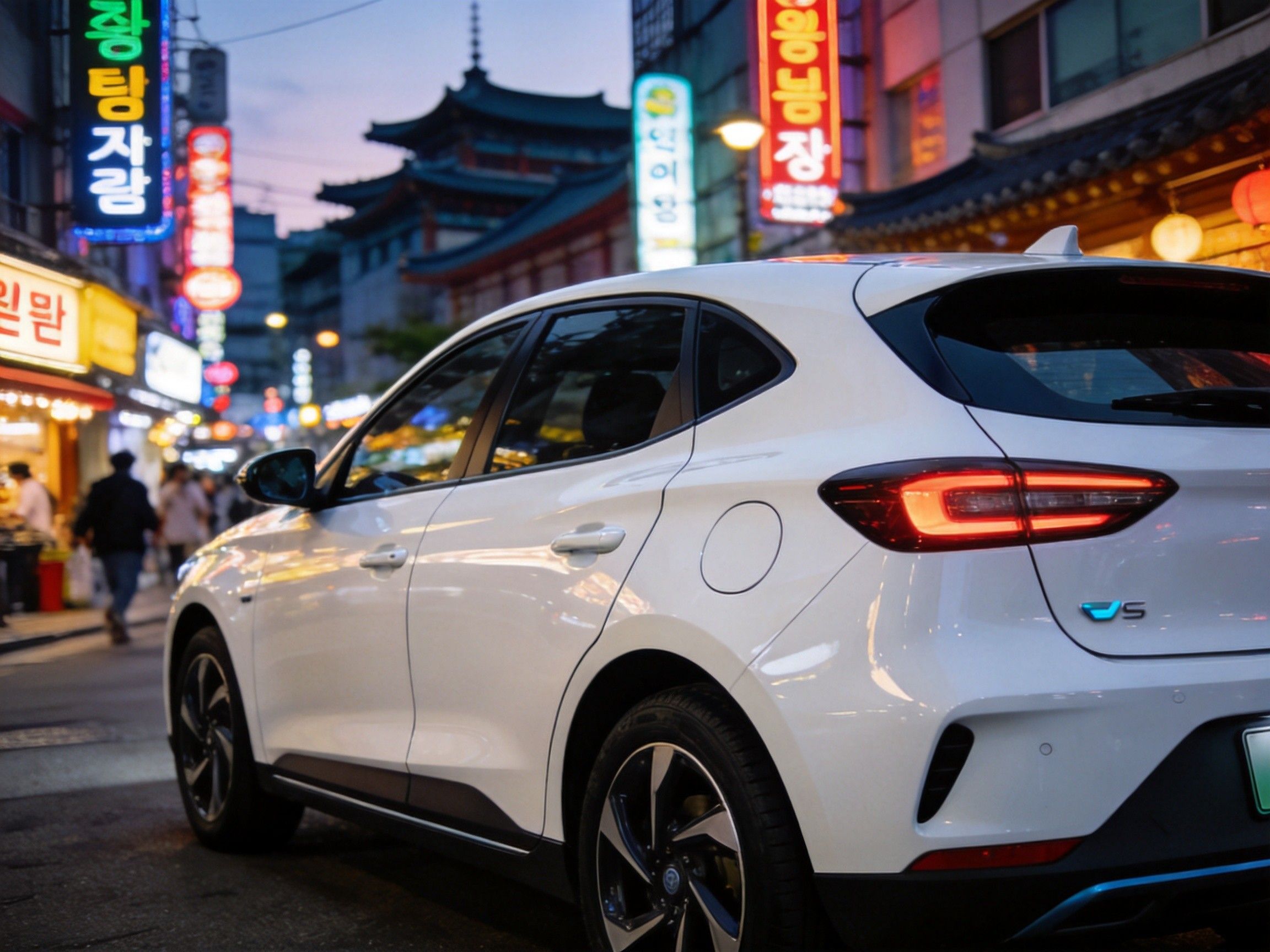
South Korea is an important test case — it is both a major auto manufacturing country and a mature EV market with demanding consumers and strict safety standards. That Chinese brands captured 35% of EV registrations while competing directly against Hyundai, Kia and Genesis on their home turf is a significant signal of product competitiveness.
But the subsidy decision also reflects a broader pattern. South Korea’s new framework mirrors moves in the European Union, Turkey and elsewhere to tighten local-content or subsidy rules once domestic manufacturers raise alarms. Chinese EV exporters in 2026 must navigate local regulations, build service networks and convince governments they are long-term stakeholders rather than disruptive importers.
For the full KAMA data breakdown, brand-by-brand analysis and second-half outlook, see iEVChina’s full coverage.
Edited for madeinchinanews.com
Source: KAMA H1 2026 import data; China Daily, August 6, 2026; The Chosun Ilbo, August 5, 2026; i-MTF Auto Market Korea analysis.
Comments are closed.