
BYD has entered Japan’s most protected automotive segment with the launch of the RACCO electric kei car, priced from 2.145 million yen ($14,880) — undercutting domestic rivals from Nissan and Honda while offering nearly double the range. The RACCO delivers a WLTC-rated 320 km from its 35.84 kWh Blade battery, compared to the Nissan Sakura’s 180 km and Honda N-One e:’s 274 km. For a market that has been exclusively served by Japanese manufacturers for over five decades, this represents the first serious foreign challenge to the kei car fortress.
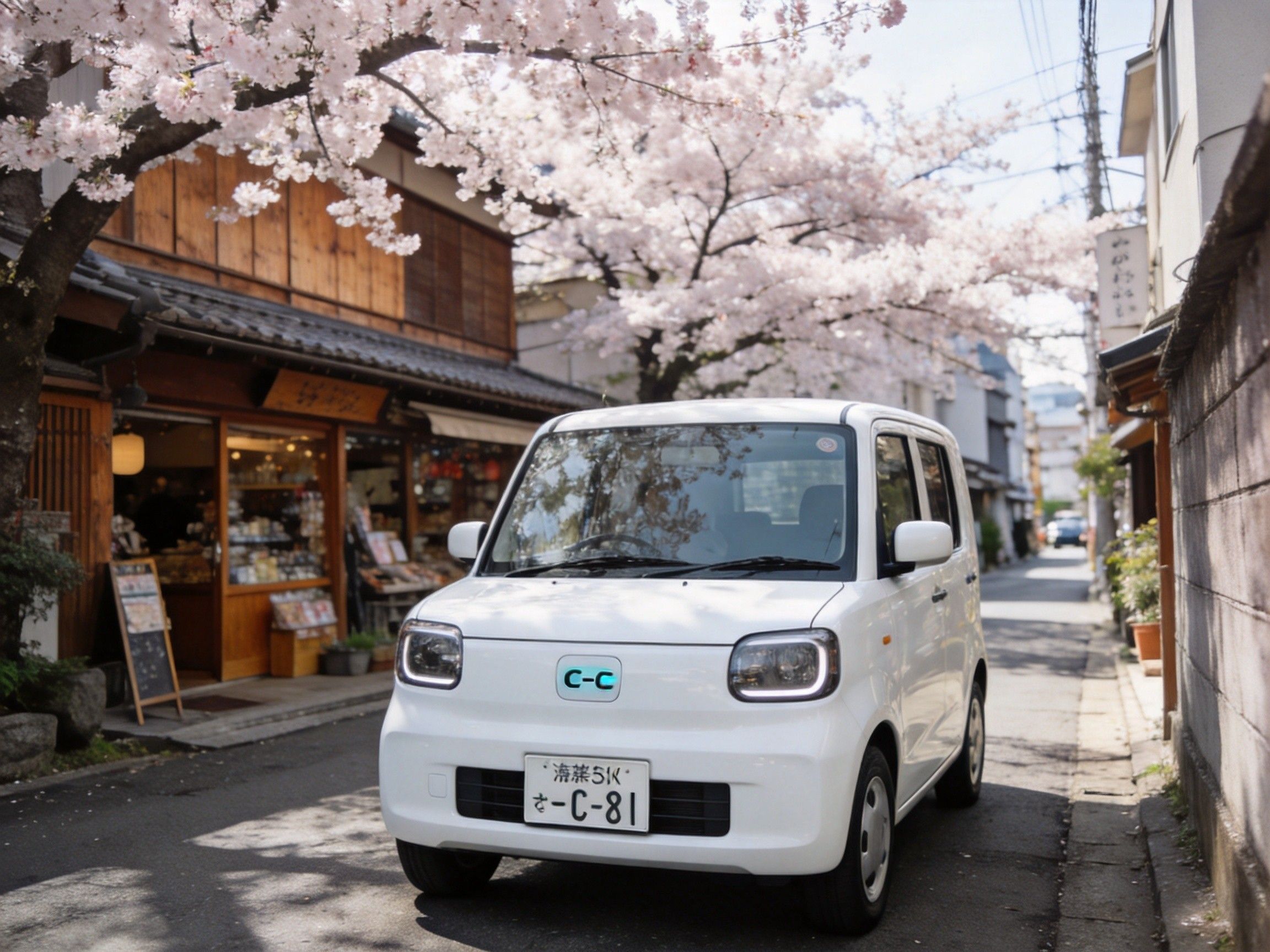
Why Japan’s K-Car Market Is Different
Kei cars are not just small vehicles — they are a cultural institution backed by massive tax incentives, insurance discounts, and exemption from urban parking certificate requirements. The segment accounts for roughly 35% of all new car sales in Japan, approximately 1.5 million units annually. Suzuki, Daihatsu (Toyota), Honda, and Nissan have competed exclusively among themselves since the regulatory framework was established in the 1950s. Japan’s plan to require all new K-Cars to be electrified creates the opening BYD has been waiting for.
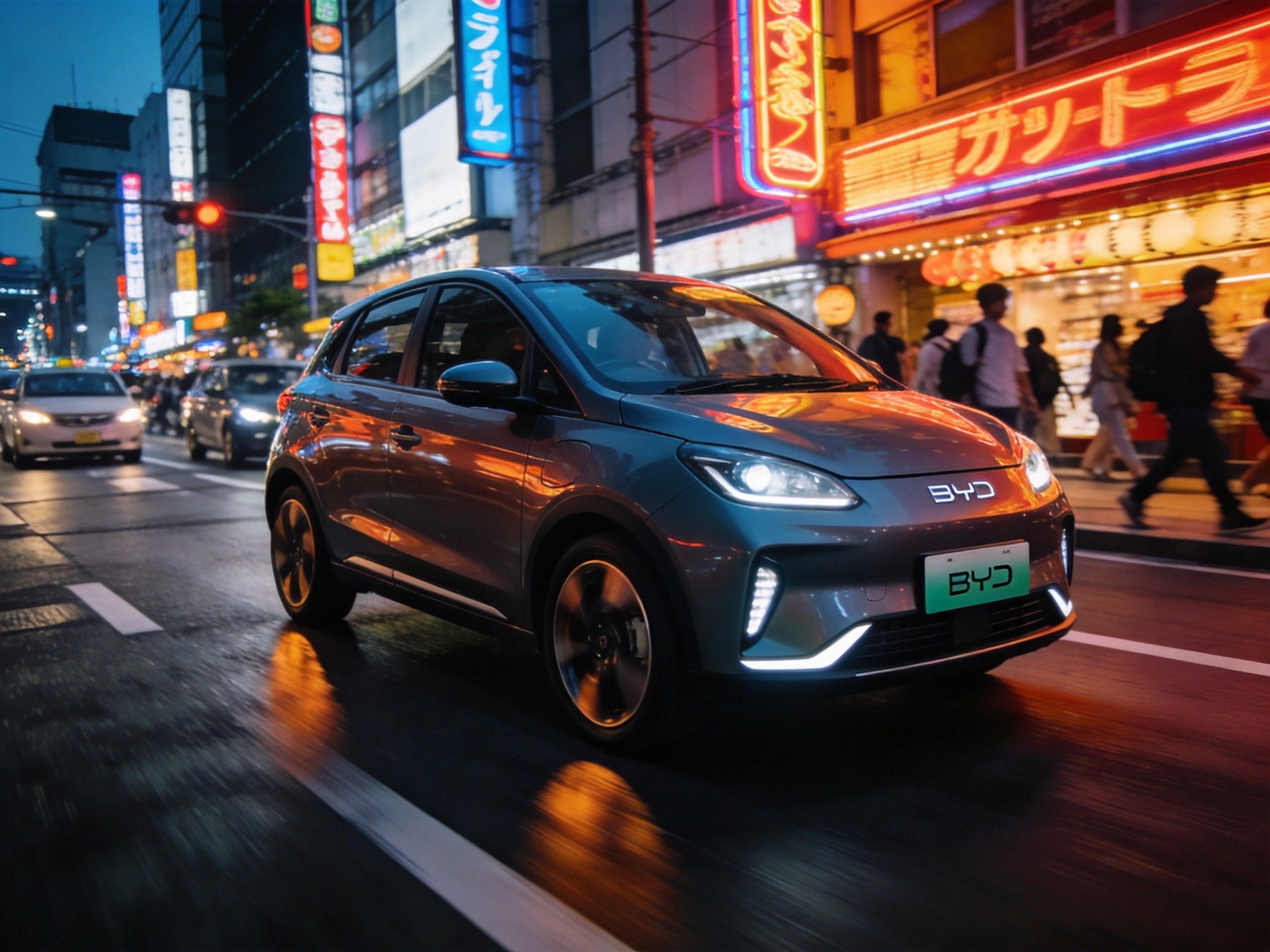
What BYD Brings to the Table
Beyond the range advantage, BYD is deploying a long-term infrastructure play: 66 dealership points across Japan, staffed by local hires including product manager Tanaka Hirohide, a former Nissan engineer. The company acknowledges the RACCO will not be immediately profitable — this is a strategic presence play, building brand recognition in Japan’s most culturally significant car category before expanding into higher segments. The Blade battery technology, praised by China’s State Council this week as a national innovation, provides the thermal stability and longevity that Japanese consumers demand.
For the full breakdown of RACCO specifications versus domestic competitors and BYD’s Japan strategy, see iEVChina’s full coverage.
What’s Next
Industry analysts expect the RACCO to sell 10,000–15,000 units in its first year — modest by BYD’s global standards, but significant as a proof of concept. If Japanese consumers accept a Chinese-made electric K-Car on quality and range, it fundamentally challenges the assumption that domestic brands are the only viable option in this segment. The cultural backlash (criticism of brand ambassador Alice Hirose for “not being patriotic enough”) suggests BYD has already struck a nerve.
Sources: Autohome.com.cn · Reuters · Toutiao / Zhihu Auto
Comments are closed.