
Dongfeng and Huawei’s New Yijing Brand Ships Its First Production Vehicle — the X9 EREV SUV
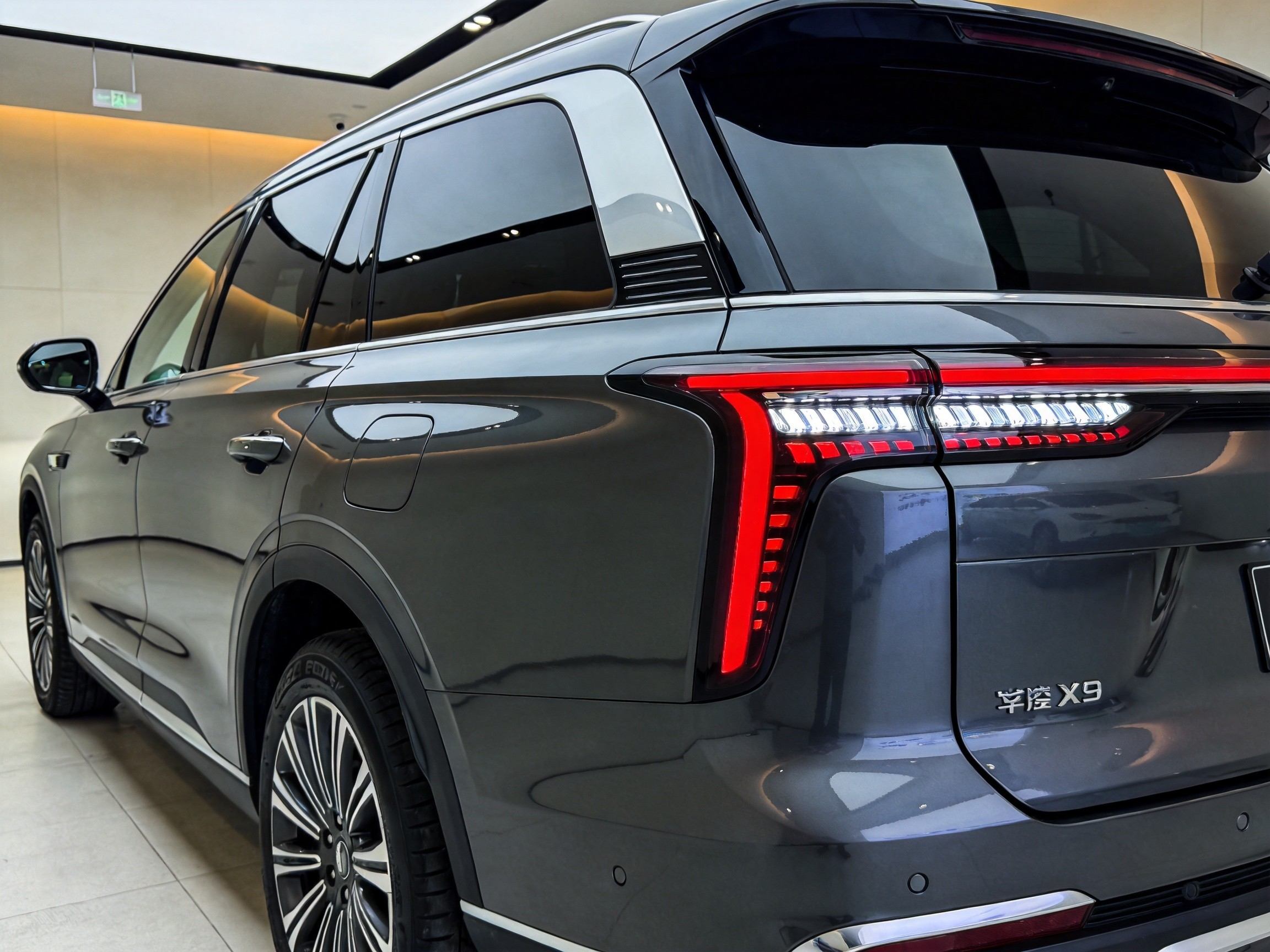
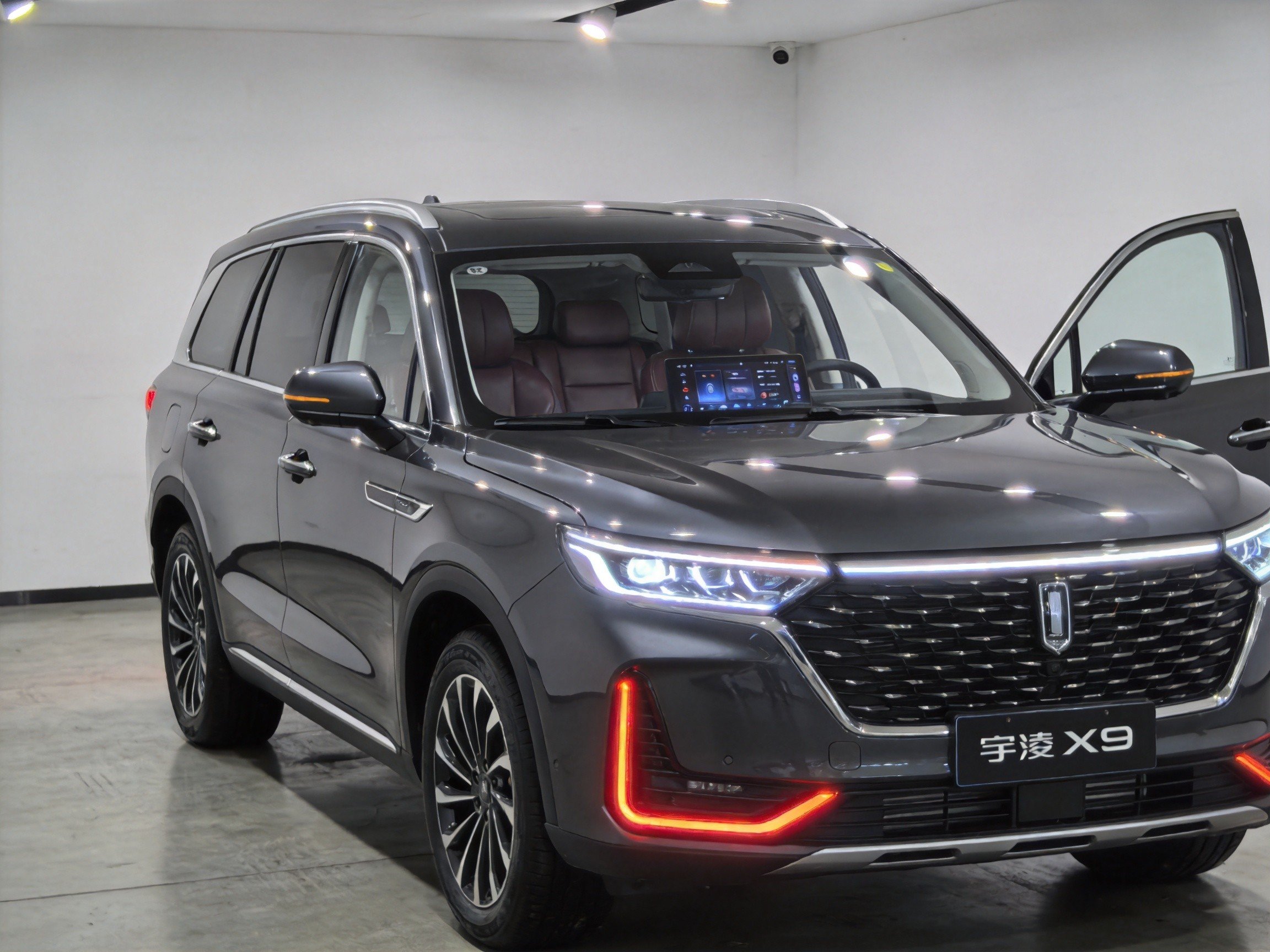
The Yijing X9, the debut model from Dongfeng Motor’s joint venture with Huawei, has rolled off the production line — a milestone that solidifies Huawei’s growing role as a technology provider across China’s automotive sector. Unveiled roughly 14 months after the brand’s debut at Auto China 2025, the X9 is a full-size extended-range electric vehicle (EREV) that brings together six of Huawei’s Qiankun intelligent solutions under one roof.
Six Huawei Qiankun Systems in One SUV
What sets the X9 apart from other Chinese smart EVs is the breadth of Huawei technology woven into its architecture. The six Qiankun solutions cover autonomous driving, smart cockpit, chassis control, thermal management, body electronics and vehicle connectivity — a level of integration that Huawei has previously reserved for its HIMA ecosystem brands such as AITO and Luxeed. With the X9, Dongfeng becomes the latest OEM to embed Huawei deeply into its product DNA.
Under the hood, the X9 uses Dongfeng’s modular DFM-Native EREV platform, pairing a rear-axle electric motor with a 1.5L turbocharged range-extender engine. The system targets over 1,200 km of total CLTC range, with more than 200 km available in pure-electric mode from an estimated 42–52 kWh CATL LFP battery pack. Dual-motor all-wheel drive delivers a combined output of roughly 330 kW (442 hp).
Interior and Market Positioning
Measuring approximately 5,200 mm in length with a 3,100 mm wheelbase, the X9 occupies the same footprint as the Li Auto L9 and AITO M9. The cabin features a triple-screen layout — instrument cluster, central landscape OLED and passenger entertainment — along with a rear ceiling-mounted display and Nappa leather across all three rows. The six-seat layout places captain chairs in the second row, each with integrated armrest controls.
Expected pricing of RMB 300,000–350,000 (approximately USD 41,400–48,300) positions the X9 between the AITO M9 and Li Auto L8. With deliveries expected to begin in Q3–Q4 2026, the X9 will enter one of the most crowded segments in China’s new-energy vehicle market.
Source: iEVChina’s full coverage | autohome.com.cn / dongchedi.com / yiche.com
Comments are closed.