
Why BYD’s H1 2026 Print Reads More Like a Group Strategy Than a Monthly Delivery Report
BYD’s June 2026 delivery filing looks familiar on the surface — leading Chinese new-energy volume and continued double-digit overseas growth. Read alongside the cumulative H1 print, the story is less about unit counts and more about a diversified revenue mix. Retail EVs, home batteries, utility-scale BESS and a European charging build-out are being managed as one integrated portfolio, and no other automaker runs that playbook at BYD’s scale.
Europe, Latin America, ASEAN: The Three Anchor Regions
BYD’s export split for June and cumulative H1 2026 stays meaningfully diversified. In Europe, Germany, the UK, France, Italy and the Netherlands drive volume, with the Sealion 7 and Atto 3 refresh anchoring retail; the Hungarian gigafactory ramp is now visible in shorter delivery lags. In Latin America, Brazil remains the largest market on Dolphin, Song Pro DM-i and Yuan Plus, while Mexico is scaling rapidly. ASEAN growth centers on Indonesia, Thailand and the Philippines, with Malaysia climbing. Australia continues as one of BYD’s fastest-growing overseas markets, led by the Sealion 7 and the Shark 6 pickup.
The Premium Layer: Denza, Yangwang and Fang Cheng Bao
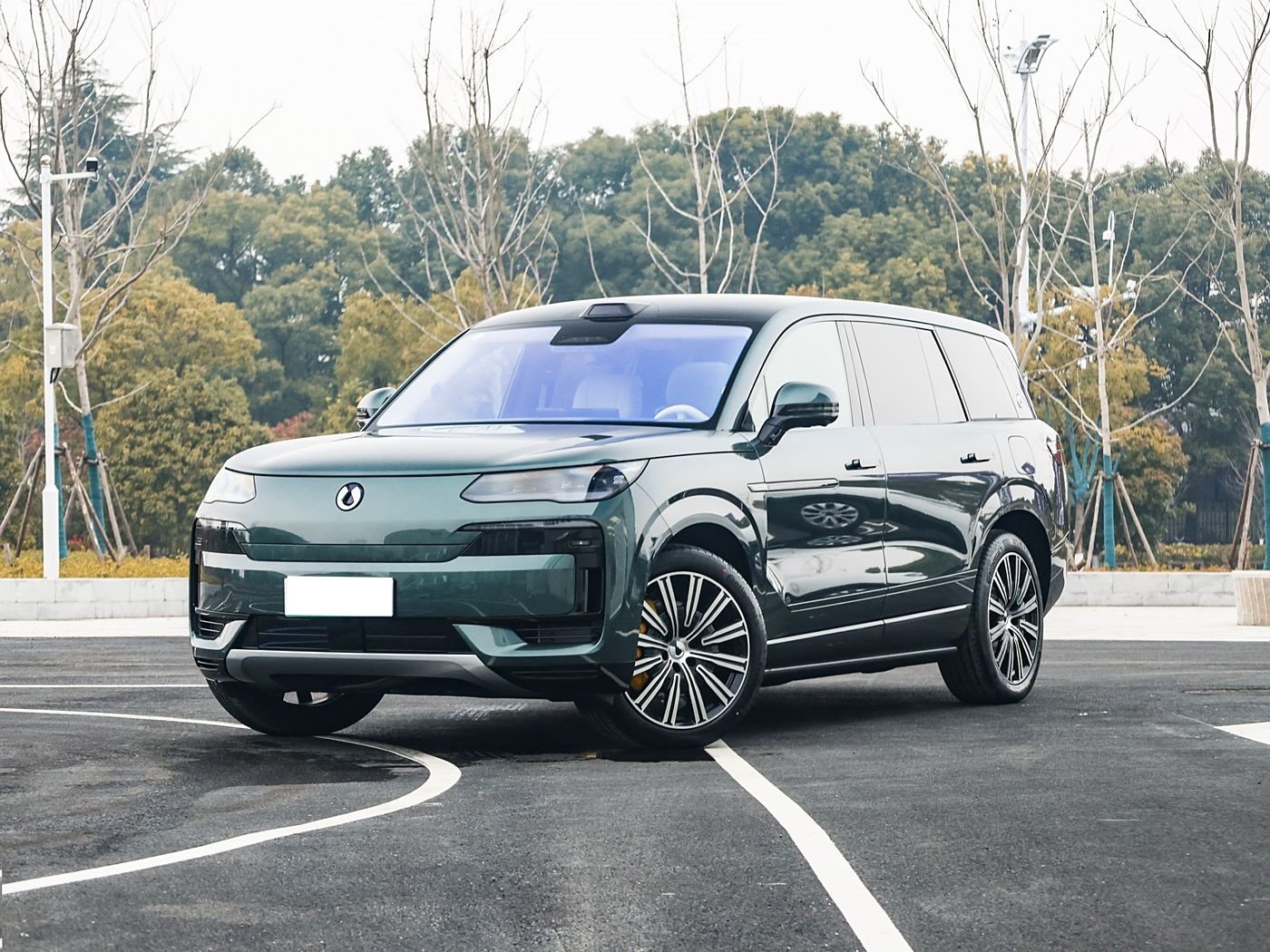
The least-covered part of the H1 story is the premium mix. Denza deliveries kept climbing on the N9 SUV and D9 MPV, comfortably above RMB 350,000 ASPs. Fang Cheng Bao 5 with the Tianshen ADS 4.1.5 hybrid stack now reads at ADAS parity with Huawei’s top tier. Yangwang U8 and U9 hold the halo function at the top of the range. Combined, these three sub-brands are pulling BYD’s group-level ASP measurably higher than the median Chinese OEM — a structural point that is easy to miss when only the topline monthly volume gets reported.
Vertical Integration Bill: Cells, BESS and Charging
BYD’s H1 2026 numbers should be read alongside its battery-storage and charging businesses. The MC Cube Pro Europe win with Greenvolt Hungary (roughly 288.6 MWh) and the two-billion-euro European charging rollout are not separate stories — they are the same vertical strategy. BYD is unique among global OEMs in monetising the same LFP cell chemistry across three price points: retail EV traction packs, home Battery-Box units and utility-scale MC Cube Pro containers. iEVChina’s full BYD June and H1 2026 recap breaks down the delivery print, the regional export split and the Hungarian gigafactory ramp against the CBAM exposure timeline for post-2027 volumes.
Reading BYD’s H1 Against the China EV Cohort
The structural context Chinese OEM export teams work with in H2 2026 is that BYD’s dedicated BEV volume alone remains larger than the top four Chinese new-force brands combined, and its passenger-vehicle share across all fuel types is still widening. Three factors will shape H2: the pace at which Hungarian production reduces CBAM exposure, whether US regulatory softening allows indirect BESS participation, and whether BYD sustains margin as new entrants keep pressing the mainstream RMB 100,000-200,000 band.
Edited for madeinchinanews.com
Source: Industry reports + manufacturer data (as of July 2026)
Comments are closed.